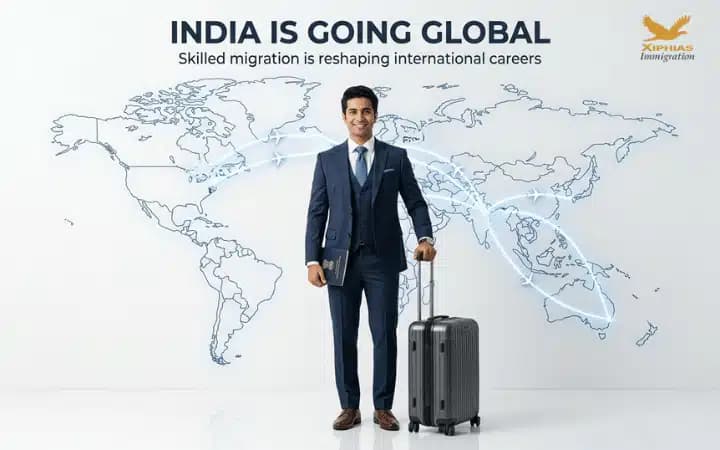
Skilled migration, investor visas, and long-term relocation planning are reshaping how Indians approach international opportunities.
A growing number of Indian professionals moving abroad is reshaping global migration patterns, with many exploring skilled migration programs to build international careers and secure long-term global opportunities. What was once driven primarily by overseas education and employment is now evolving into a broader strategy that includes skilled migration, entrepreneurship, investor visas, and family relocation planning.
According to Varun Singh, the mindset around international mobility in India has changed significantly. Professionals, entrepreneurs, and families are increasingly viewing international relocation as a structured life decision rather than a short-term opportunity.
This shift reflects how Indians are becoming more strategic about global careers, financial stability, and long-term lifestyle planning.
Migration from India Is Becoming More Strategic
For many years, migration from India followed a predictable path. Students pursued education overseas, professionals applied for work visas, and settlement decisions often happened later.
Today, however, many individuals are approaching international relocation with long-term planning. Instead of reacting to opportunities, applicants are carefully evaluating different immigration pathways that align with career growth, residency prospects, and family goals over the next decade.
This new approach is being driven by greater access to global information, digital connectivity, and increasing exposure to international markets.
New Destinations Beyond Traditional Countries
While destinations such as the United States, Canada, and Australia remain popular among Indian migrants, many professionals are now applying through pathways like the Canada Express Entry immigration program to secure permanent residency opportunities.
At the same time, new regions are emerging as attractive alternatives. Countries across Europe, the Middle East, and parts of the Asia-Pacific are gaining attention from professionals looking for flexible visa policies, business opportunities, and improved lifestyle options.
This diversification of destination choices allows applicants to explore multiple migration options instead of relying on just a few traditional routes.
Long-Term Migration Planning Is Increasing
Another significant trend is the rise of structured migration planning. Applicants today are not simply applying for a visa. Many first explore that offer long-term relocation opportunities and potential pathways to permanent residency or citizenship.
Families are increasingly considering broader factors when making migration decisions, including healthcare systems, education opportunities for children, taxation policies, and long-term financial stability.
This strategic approach reflects a growing awareness among Indian applicants about the long-term implications of global mobility.
Entrepreneurs and Investors Are Exploring Global Expansion
Alongside skilled professionals, many Indian entrepreneurs and investors are also exploring citizenship by investment programs that provide alternative residency or second passport opportunities.
For business owners, global mobility is not just about relocation. It is also about accessing international markets, expanding business operations, and building global networks.
As a result, investor-focused immigration pathways are gaining popularity among entrepreneurs seeking greater flexibility and long-term international mobility.
Business Expansion Driving Corporate Immigration
Another emerging trend is the use of corporate immigration and global business expansion visas by companies and entrepreneurs looking to establish operations in international markets.
These programs allow businesses to expand across borders while enabling founders and executives to secure legal residency in strategic global hubs.
Such pathways are particularly attractive for entrepreneurs who want to maintain business connections in India while expanding globally.
Technology Transforming the Immigration Process
Technology is also playing a major role in transforming the immigration industry. Digital platforms now allow applicants to complete eligibility assessments online, submit documents electronically, and track application progress in real time.
While these technological tools improve efficiency and transparency, experts emphasize that understanding immigration policies and eligibility requirements still requires careful planning and professional guidance.
Challenges Indian Applicants Continue to Face
Despite growing awareness about global opportunities, many applicants still face challenges during the migration process.
Common obstacles include constantly changing immigration policies, complex documentation requirements, financial eligibility criteria, and language test requirements.
Experts say proper planning and professional guidance can help applicants avoid costly mistakes, and many individuals start by completing an online immigration eligibility assessment to understand their available options.
India’s Role in the Global Talent Economy
India remains one of the largest contributors to the global workforce. With a strong pool of skilled professionals, entrepreneurs, and innovators, the country continues to play a significant role in international talent mobility.
As global economies compete for skilled talent and innovation, Indian professionals are expected to remain a key driver of global workforce movement in the coming years.
Ready to Explore Your Global Migration Options?
If you are considering skilled migration, residency, or citizenship pathways, the first step is understanding which program best matches your profile and long-term goals.
Book a consultation with an immigration expert to evaluate your eligibility and identify the best international pathway for your future.
Your global journey begins with the right plan.